

- By Garet Conrad
- May 29, 2026
- Residential Remodeling
How Long Does a Home Renovation Take? Realistic Timelines by Project Type
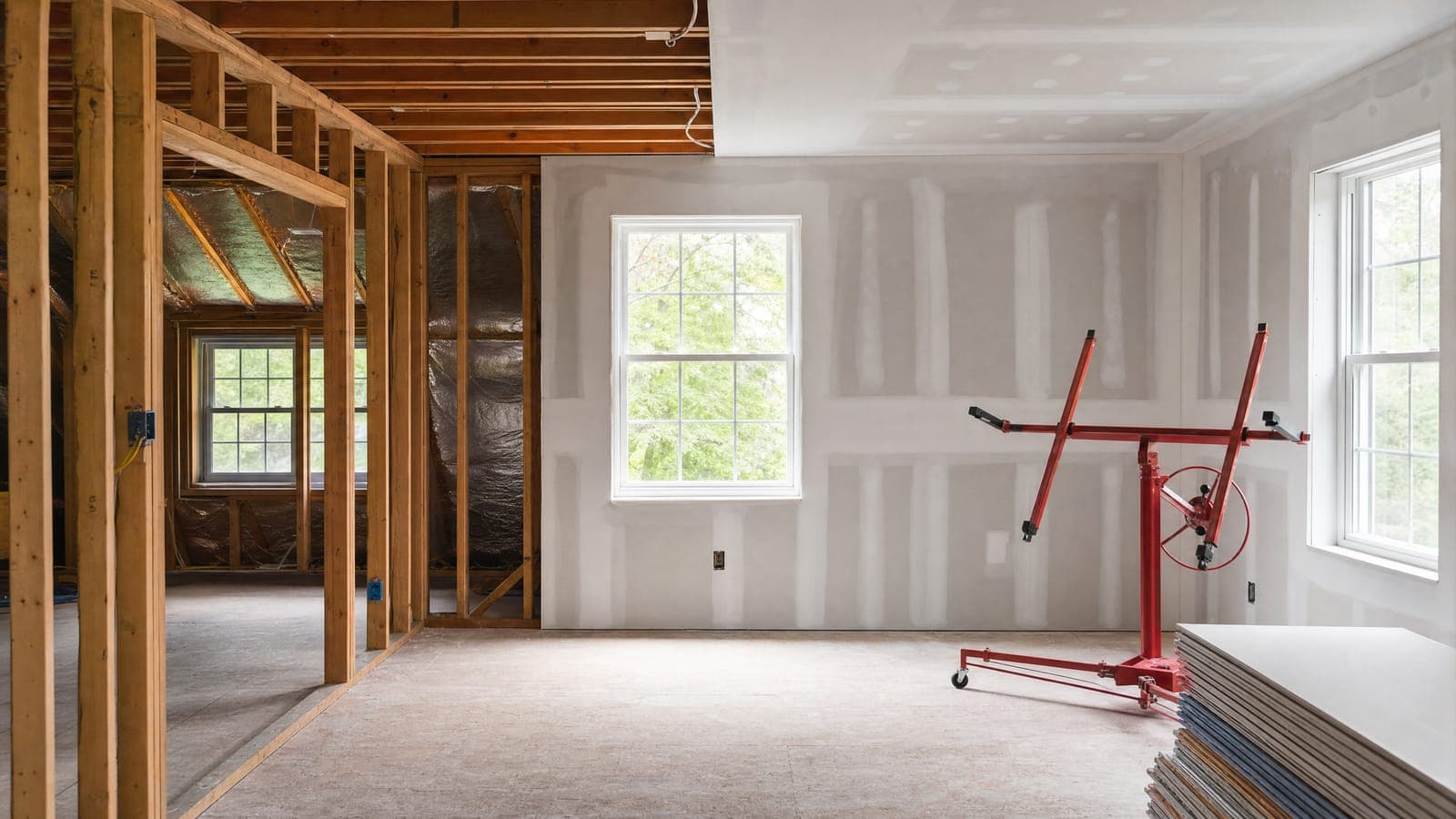
You have a vision for your home. Maybe it's a kitchen that finally works the way you actually cook. Maybe it's a bathroom that stopped feeling current sometime around 1994. Whatever the project, one question almost always comes first: how long is this actually going to take?
It's a fair question — and it deserves a real answer, not a vague shrug.
The honest truth is that timelines vary a lot. Scope, materials, permits, and how prepared you are going in all play a role. But that doesn't mean you have to guess. Below is a realistic breakdown of timelines for the most common home renovation projects, along with the factors that most often push things longer than expected.
What Affects a Renovation Timeline?
Before getting into specific project types, it helps to understand what's actually driving the clock. A few variables show up on nearly every job:
Permits and inspections. Depending on your municipality, pulling permits can add days or weeks before a single tool is picked up. In Pennsylvania, most structural work, electrical, plumbing, and HVAC changes require permits. Skipping them isn't worth it — it can create serious problems when you go to sell.
Material lead times. Custom cabinets, specialty tile, windows, and certain appliances often have lead times of four to twelve weeks. If materials aren't ordered before demo starts, delays are already baked into the schedule.
Scope creep and surprises. Open a wall in an older home and you might find outdated wiring, water damage, or insulation that needs to go. These discoveries are common. The older the home, the more buffer you should plan for.
Contractor availability and sequencing. Most renovations involve multiple trades — framing, electrical, plumbing, drywall, tile, paint, finish carpentry. Each has to happen in the right order, and each trade has their own schedule. A good general contractor coordinates all of this so you're not sitting idle for weeks between steps.
Decision-making pace. This one gets underestimated. Homeowners who come in with finishes selected, a clear scope, and fast turnaround on approvals consistently see shorter timelines. Indecision is one of the most common causes of delay on otherwise well-run projects.
Renovation Timelines by Project Type
Kitchen Remodel: 6 to 16 Weeks
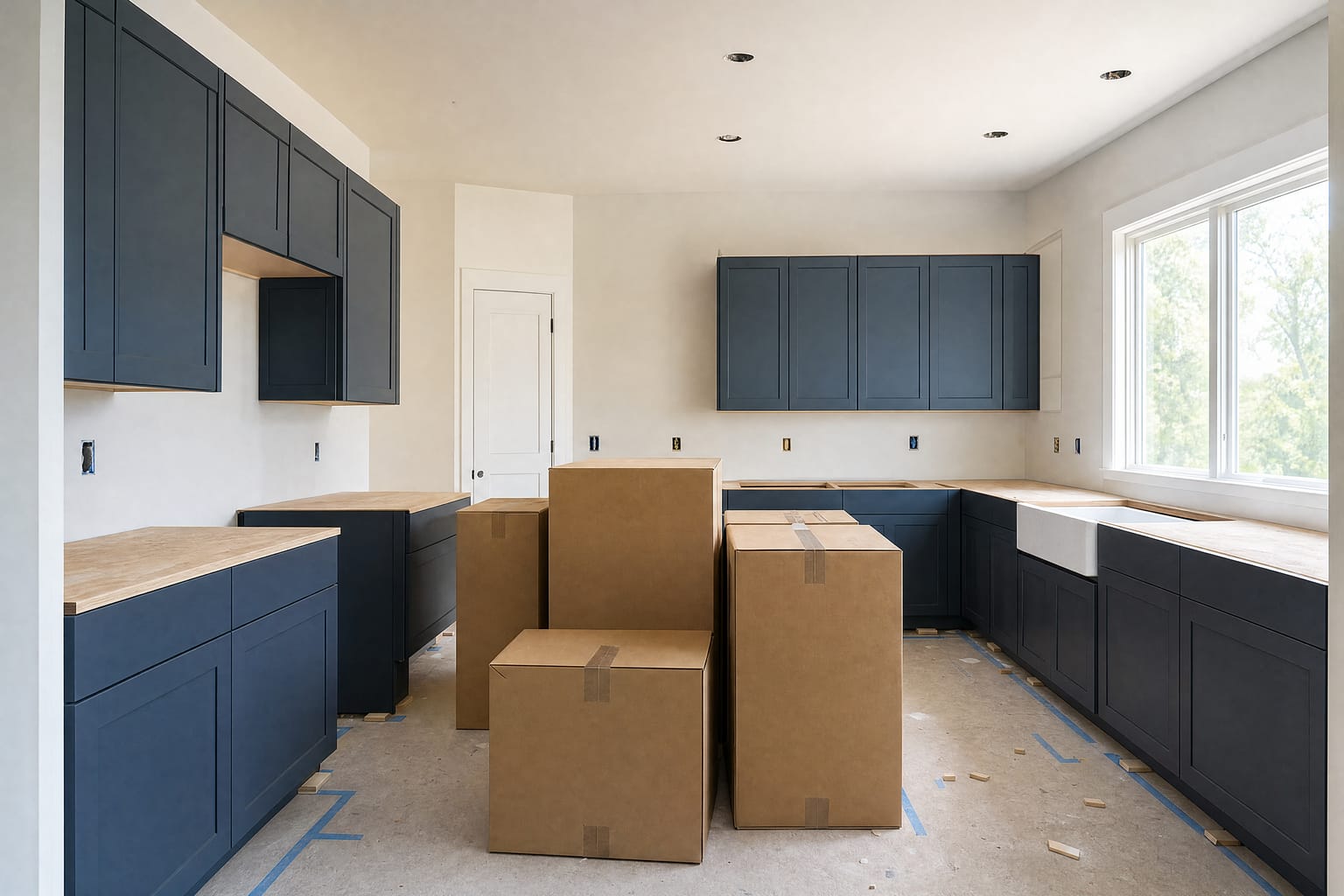
Kitchen remodels are among the most complex residential projects because they touch nearly every trade — demo, framing, plumbing, electrical, HVAC, drywall, tile, cabinetry, countertops, appliances, and paint. That's a lot of moving parts.
- Minor kitchen refresh (new counters, appliances, paint): 2 to 4 weeks
- Mid-range remodel (new cabinets, counters, flooring, fixtures): 6 to 10 weeks
- Full gut renovation (layout changes, new everything): 10 to 16 weeks
Cabinet delivery is where most kitchen projects run into their first real snag. Semi-custom and custom cabinets can take 6 to 12 weeks from order to arrival — and a lot of homeowners don't find that out until they're already mid-demo. Countertops pile on another delay, since they can't be templated or fabricated until the cabinets are set, which adds another week or two to the back end.
Moving plumbing or gas lines to change your kitchen's footprint brings in more permits and more trade coordination. Stick with the existing layout and update the finishes, and you'll likely land on the shorter end of that range.
Bathroom Remodel: 3 to 10 Weeks
Bathrooms are smaller spaces, but don't let the square footage fool you. You're fitting plumbing, electrical, tile work, and fixtures into a tight area, which makes the work surprisingly dense.
- Cosmetic update (vanity, fixtures, paint): 1 to 3 weeks
- Standard remodel (new tile, tub/shower, vanity, toilet): 3 to 6 weeks
- Full gut with layout changes: 6 to 10 weeks
Custom tile work — especially intricate patterns or large-format tiles — takes longer than most people expect. Between installation, grouting, and proper curing time, tile work alone can consume a full week. Waterproofing needs adequate cure time too, and cutting corners there tends to show up as a much bigger problem down the road.
If you're remodeling your only full bathroom, say so upfront. A good contractor can sequence the work to cut down the days you're stuck without a functioning shower. Learn more about our bathroom remodeling services.
Basement Finishing: 4 to 12 Weeks
Finishing an unfinished basement is one of the better value-add projects a homeowner can take on. How long it takes comes down mostly to what has to get sorted out before framing can even begin.
- Basic finish (framing, drywall, flooring, paint): 4 to 6 weeks
- Full finish with bathroom, bar, or bedroom: 8 to 12 weeks
Any moisture issues get dealt with first — that's non-negotiable. Water intrusion history, drainage problems, grading issues near the foundation — all of it gets resolved before a single wall goes up. Skip that step and you're probably tearing out your finished basement a few years from now to fix what should've been handled before the drywall went in.
If you want a legal bedroom down there, you'll need an egress window — which means cutting concrete and doing excavation work. It adds time and money, but it's a code requirement and it matters when it comes time to sell.
Home Addition: 3 to 6 Months
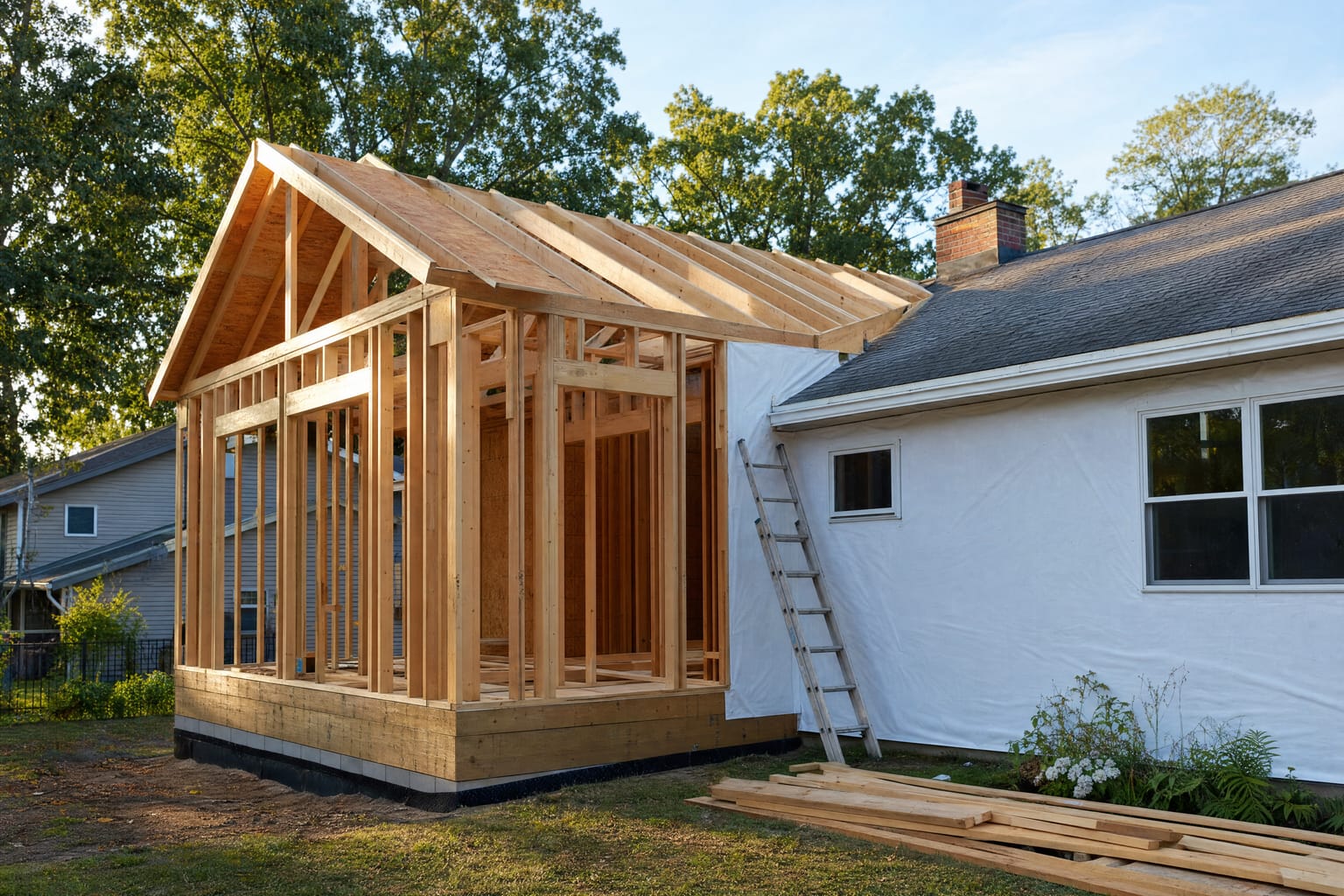
Adding square footage isn't just tacking on rooms — it means tying a new structure into your existing home across every system: foundation, framing, roofline, mechanicals, and interior finishes all have to connect properly.
- Small addition (sunroom, mudroom, bump-out): 2 to 4 months
- Full addition (bedroom, in-law suite, garage): 4 to 6 months or more
Permitting for additions is more involved than what you'd deal with on an interior remodel. Architectural drawings are typically required, and municipal review alone can run 4 to 8 weeks — that's time that should be built into your planning, not your construction schedule.
Weather plays a bigger role with additions too. Exterior work during Pennsylvania winters can significantly slow framing and roofing. Smart timing means starting your design and permitting process in late summer or early fall, so you're ready to build when spring arrives.
Custom Home Build: 10 to 18 Months
Building from scratch is the most involved project you can take on. Custom homes in the Lehigh Valley typically run 10 to 18 months from start to finish, with size, complexity, and material choices accounting for most of that range.
Pre-construction alone — design, engineering, permits, site prep — can eat up 3 to 6 months before framing ever starts. Decisions made (or delayed) during that phase don't stay contained; they ripple forward and affect everything that follows. Homeowners who lock in their selections early, answer questions quickly, and stay engaged throughout the process tend to see things move noticeably faster. When it comes to custom builds, preparation pays off more than on any other type of project.
Exterior Projects: Driveways, Siding, Roofing
Exterior work runs on a different clock than interior renovations. You're at the mercy of the weather, and once peak season hits, contractor schedules fill up in a hurry.
- Concrete driveway: 3 to 7 days for installation, plus cure time (7 days before light use, 28 days for full strength)
- Roof replacement: 1 to 3 days for most residential homes
- Siding replacement: 1 to 3 weeks depending on home size and material
These projects move faster than interior remodels, but they still require planning around weather windows — especially in Pennsylvania, where spring and fall schedules fill up quickly.
How to Keep Your Renovation on Track
Knowing the timeline is one thing. Protecting it is another. These are the moves that consistently help homeowners avoid unnecessary delays:
1. Make your selections before demo day.
Finishes, fixtures, tile, cabinets, appliances — have these decided and ordered before the project starts. Waiting until mid-project to pick countertops or light fixtures stalls everything downstream.
2. Get permits pulled early.
Work with a contractor who handles permitting as part of the process. Don't assume permits are a formality — in some townships, the review process takes longer than anyone expects.
3. Build buffer into your timeline.
Whatever timeline your contractor gives you, plan your life around a version that's two to four weeks longer. Not because your contractor is wrong, but because renovations involve variables no one can fully predict.
4. Respond quickly when decisions come up.
Your contractor needs answers to keep the job moving. Dragging your feet on finish selections or change order approvals doesn't just delay that one choice — it can bump trade scheduling back by days or weeks, and those delays compound quickly.
5. Work with a general contractor who manages the trades.
Coordinating electricians, plumbers, tile installers, and finish carpenters yourself is basically a full-time job. A general contractor keeps the sequencing tight, holds subcontractors accountable to the schedule, and deals with the problems that inevitably come up — so you don't have to.
What to Ask Before Signing a Contract
Before any project starts, make sure you're getting clear answers to these questions:
- What is the projected start date and completion date?
- What are the most likely causes of delay on this specific project?
- How will you communicate progress and changes during the project?
- Are permits included in your scope, and who pulls them?
- What happens if we find unexpected issues during demo or framing?
A contractor who answers these questions clearly and specifically — not vaguely — is one who has managed enough projects to know what actually happens in the field.
Conclusion
Renovation timelines aren't a mystery, but they do require honest planning. A bathroom remodel isn't a weekend project. A kitchen gut renovation isn't done in a month. A custom home build takes the better part of a year and a half from concept to keys.
The homeowners who have the best experience aren't necessarily the ones with the biggest budgets — they're the ones who go in with realistic expectations, make decisions early, and work with a contractor who communicates well and manages the process professionally.
If you're planning a renovation in the Lehigh Valley area and want to understand what your specific project would actually look like — timeline, scope, and cost — Conrad General Contracting offers a free quote process with no obligation. Whether it's a kitchen remodel, a home addition, or a new build, the Conrad team has been handling projects like yours since 2014.
Request your free quote — contact Conrad General Contracting at (610) 801-0000.