

- By Garet Conrad
- June 5, 2026
- Residential Remodeling
How to Budget for a Home Renovation: A Step-by-Step Guide for Homeowners
Most home renovations blow past their budgets not because homeowners are careless, but because they started planning too late — after talking to contractors instead of before.
If you're thinking about renovating, the single most valuable thing you can do right now isn't picking finishes or scrolling through inspiration boards. It's building a realistic budget before anyone picks up a hammer.
This guide walks you through exactly how to do that. Whether you're planning a kitchen remodel, finishing a basement, or adding a room, the same core framework applies. Get this right, and you'll hire smarter, stress less, and actually finish what you started.
Step 1: Define What You Actually Want (Before You Price Anything)
Vague projects produce vague estimates. Before you can budget accurately, you need to know what you're building.
Write down the scope of your project in plain language — not "update the kitchen," but "remove the wall between the kitchen and dining room, replace all cabinets and countertops, install new lighting, and upgrade the appliances." The more specific you are, the more useful any estimate you get will be.
Ask yourself:
- What's the minimum version of this project that would still make me happy?
- What does the ideal version look like if budget weren't a constraint?
- Are there any non-negotiables I won't compromise on?
This does two things: it helps you communicate clearly with contractors, and it gives you a way to scale the project up or down if your budget requires it.
Step 2: Understand What Drives Renovation Costs
Renovation costs aren't random — they follow a logic, and understanding that logic helps you make smarter decisions.
Labor vs. Materials
In most residential renovations, labor accounts for 30–50% of total project cost. The rest goes toward materials. This distinction matters because labor rates in a given market don't move much, but material costs can swing dramatically depending on what you select.
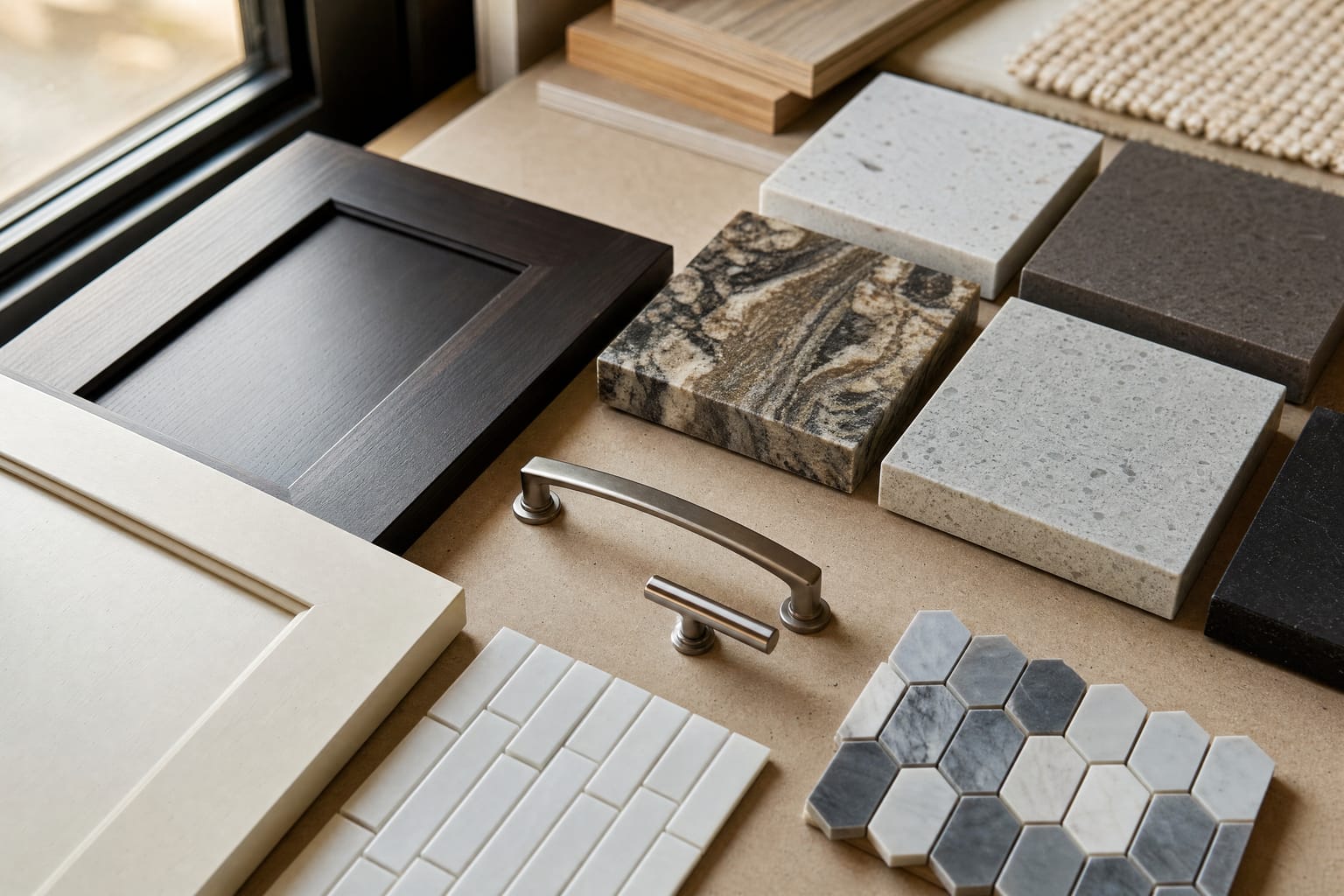
A tile floor and a hardwood floor might take the same number of hours to install, but the materials themselves could differ by thousands of dollars. Once you understand that, it's easier to spot where you have real flexibility — and where you don't.
Cosmetic Work
Paint, fixtures, flooring, and hardware updates typically give you the most bang for your buck. Structural changes tell a different story entirely. Moving walls, rerouting plumbing, upgrading electrical panels, or adding square footage will demand a much larger investment and usually require permits. When your project involves structural work, expect both a bigger budget and a longer timeline.
Location and Timing
Where you live directly affects what you'll pay. Labor rates here in the Lehigh Valley run different from Philadelphia or New York City, and everything from material availability to permit fees changes by region. Timing matters too — contractor demand surges in spring and summer, and that scheduling pressure often drives prices up.
Step 3: Set Your Total Budget Range
This is where most homeowners get stuck. They want a concrete number before they have enough information to create one.
The honest answer is that your budget and your project scope have to take shape together. But you still need somewhere to start.
A Practical Starting Framework
One common rule of thumb: if return on investment matters to you, try not to spend more than 10–15% of your home's current market value on any single renovation. It's not a hard rule, but it's a useful guardrail when you're trying to keep spending in check.
What you can expect to spend on common renovation projects varies widely based on scope and materials:
| Project Type | Typical Range |
|---|---|
| Kitchen remodel (mid-range) | $25,000 – $75,000+ |
| Bathroom remodel | $10,000 – $35,000+ |
| Basement finishing | $20,000 – $50,000+ |
| Room addition | $50,000 – $150,000+ |
| Roof replacement | $8,000 – $20,000+ |
| Deck or patio | $8,000 – $30,000+ |
These ranges are wide because scope and material choices make an enormous difference. A bathroom with standard fixtures and finishes costs dramatically less than one with custom cabinetry and imported stone.
Know Your Hard Limit
Before you talk to a single contractor, decide on your absolute spending ceiling. Not your ideal number, not what you're hoping it comes in at — the number you genuinely cannot go past. Knowing that figure before any sales conversation starts is what keeps scope creep from quietly taking over your project.
Step 4: Build In a Contingency — Always
This is the step most homeowners skip — and it's usually why renovations end up over budget.
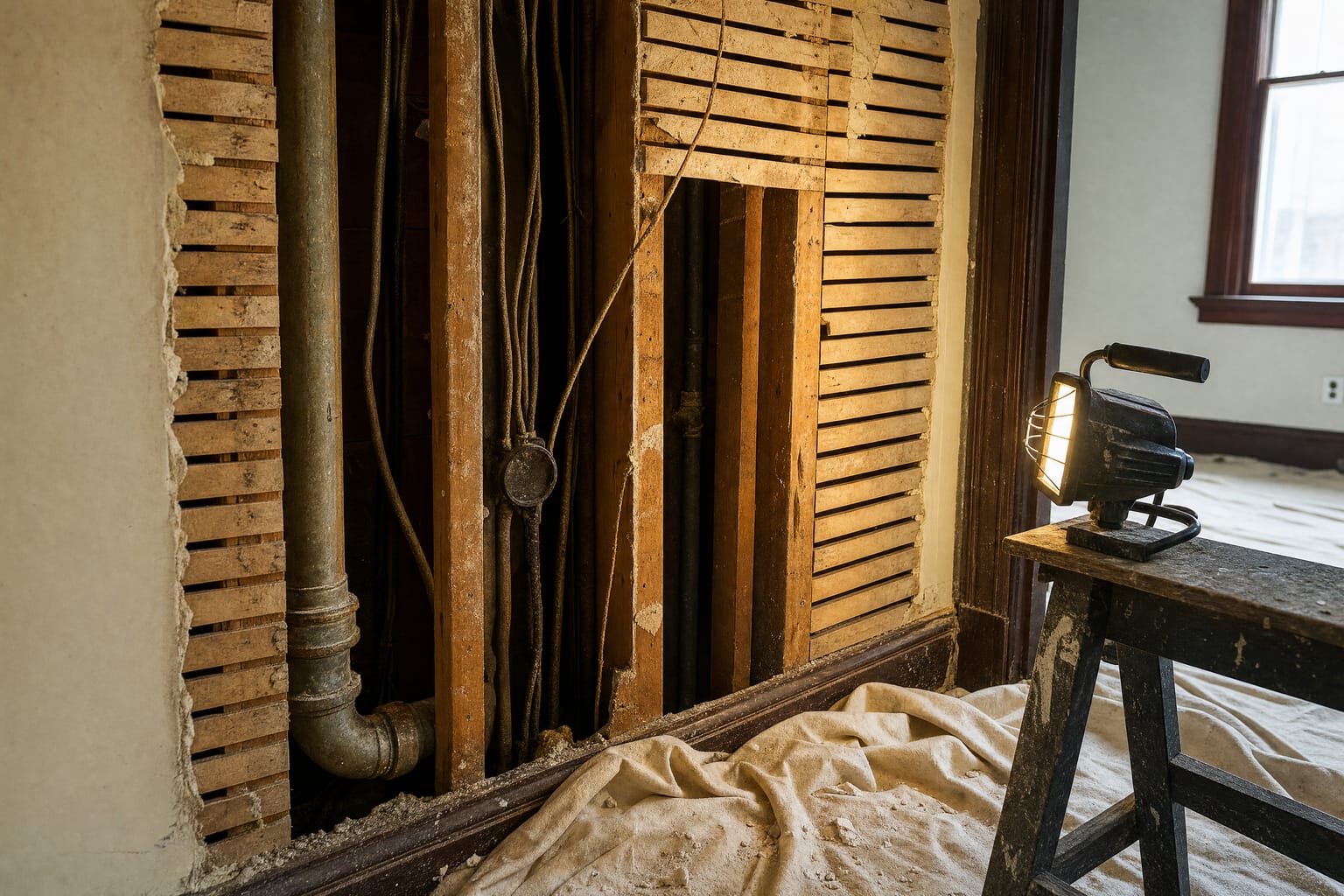
No matter how carefully you plan, surprises happen. Open up a wall and you might find wiring that's decades out of code. Pull up old flooring and there's water damage underneath. A backordered material forces a last-minute substitution that costs more than the original.
The standard recommendation is to set aside 10–20% of your total project budget as a contingency fund.
On a $40,000 kitchen remodel, that means keeping $4,000–$8,000 in reserve — money you haven't already mentally allocated to something else. If you never touch it, great. If you do need it, you're not scrambling to figure out how to cover the difference.
For older homes, lean toward the higher end of that range. The older the structure, the more likely you are to find surprises behind the walls.
Step 5: Prioritize Your Project List
If you have multiple renovation goals — which most homeowners do — you need a system for deciding what gets done first.
A Simple Prioritization Framework
Rank each project on two dimensions:
- Need vs. Want — Is this a functional necessity (leaking roof, failing HVAC) or a quality-of-life improvement (new kitchen, finished basement)?
- Impact vs. Cost — How much value does this project add relative to what it costs, both in daily livability and resale value?
Projects that are both necessary and high-impact go first. Purely cosmetic, low-impact work can wait.
This framework also helps when a quote comes in higher than expected. If you've ranked your priorities, you already know what to cut and what to protect.
Phase the Work If You Need To
You don't have to do everything at once. Phasing a renovation — completing one section now and another in 12–18 months — is a legitimate strategy that spreads costs over time without sacrificing the overall vision.
Just communicate your long-term plan to your contractor upfront. Some work is more efficient when done together, and a good contractor can help you sequence phases so you're not paying to redo the same work twice.
Step 6: Get Multiple Quotes — and Read Them Carefully
Once you've defined your scope and established a budget range, it's time to collect estimates. Getting three quotes from licensed contractors makes sense as a starting point — but collecting them is just the beginning. The real work is understanding what each one actually tells you.
What a Good Quote Should Include
A thorough contractor quote should specify:
- Scope of work — exactly what's included and what's not
- Materials — the grade, brand, or specification being used
- Labor — broken out from materials where possible
- Timeline — estimated start and completion dates
- Payment schedule — when payments are due and in what amounts
- What triggers additional costs — conditions under which the price could change
A single number on a sheet of paper with no detail is a red flag. You can't compare quotes accurately if they're not describing the same thing.
The Lowest Bid Isn't Always the Best Bid
A significantly lower quote usually means one of three things: the contractor is cutting corners on materials, underestimating the scope, or planning to make up the difference through change orders once work has started. None of those outcomes serve you.
Compare quotes based on what's included, not just the bottom line. A detailed scope, realistic timeline, and solid references matter more than the lowest price.
Step 7: Explore Your Financing Options
Paying cash upfront is ideal, but most homeowners don't have that luxury — and that's perfectly fine. Several financing options can fund your renovation without creating financial strain.
Common Financing Options
Home equity loan or HELOC — If you have equity in your home, borrowing against it usually comes with lower interest rates than other options. A home equity loan hands you a lump sum upfront, while a HELOC functions more like a credit card — you draw from it as costs come in rather than all at once.
Personal loan — Unsecured personal loans move faster than home equity products, which is useful if you're working on a tighter timeline. The tradeoff is that interest rates tend to run higher.
Cash-out refinance — If mortgage rates are favorable, some homeowners refinance their existing loan and pull out equity to cover renovation costs.
Contractor financing — Many contractors work with lending partners or offer financing directly, which can streamline the process when you want to move quickly on a project.
Conrad General Contracting provides financing options for homeowners in the Lehigh Valley — so you don't have to wait until you've saved the full amount to get started. It's worth asking about during your initial consultation.
Step 8: Track Everything Once the Project Starts
Your budget doesn't stop being useful once the work begins — it becomes the tool that keeps everything from going sideways.
A simple spreadsheet is all you need. Track:
- Original budget by category (labor, materials, permits, contingency)
- Actual spend to date
- Approved change orders
- Remaining contingency balance
Check it every week. When a category starts running over budget early in the process, you can still make adjustments — but only if you catch it while there's time to act.
Stay in regular contact with your contractor. Ask for updates when materials arrive, when something unexpected turns up, and before you sign off on any change orders. Good contractors will keep you in the loop, but keeping tabs on the project is ultimately on you.
Common Budgeting Mistakes to Avoid
Here are the pitfalls that derail the most renovation budgets:
- Skipping the contingency fund — The most common and most costly mistake.
- Budgeting for the best-case scenario — Build your plan around what's realistic, not what you're hoping for.
- Changing your mind mid-project — Decisions that shift after work has started cost real money. Nail down your choices before the first tool comes out.
- Ignoring permit costs — Most structural, electrical, and plumbing work requires permits. They take time and cost money, so factor them in from the beginning.
- Underestimating soft costs — Design fees, temporary housing, storage — these indirect costs have a way of adding up faster than people expect.
- Paying too much upfront — A reasonable deposit is normal. Paying more than 30–40% before work begins is a risk.
Conclusion
Smart renovation budgeting isn't about cutting costs — it's about spending strategically. Know what you're buying, prepare for the unexpected, and make choices you'll still appreciate months later.
Homeowners who finish renovations happy almost always share one trait: they planned thoroughly before starting. They outlined clear project goals, set aside contingency funds, evaluated quotes carefully, and stayed involved throughout the process.
If you're planning a renovation in the Lehigh Valley and want to start with a clear, honest estimate, Conrad General Contracting offers a free quote process and has been working with homeowners and businesses since 2014. Contact us at (610) 801-0000 to get started.