
- By Garet Conrad
- May 15, 2026
- Construction Tips
What Does a General Contractor Do? A Homeowner's Complete Guide
You've got a project in mind — maybe a kitchen that's been driving you crazy for years, a basement you want to actually use, or a full home build from scratch. At some point, someone tells you to "just hire a general contractor." But what does that actually mean? What are you paying for, and how does the whole thing work?
This guide breaks it down clearly — no jargon, no fluff. Just a practical explanation of what a general contractor does, when you need one, and what to expect when you hire one.
The Short Answer
A general contractor (GC) is the person — or company — responsible for managing a construction or renovation project from start to finish. They're the central point of contact between you, the tradespeople doing the work, and everyone else involved.
Think of them as the project manager of your build. You tell them what you want. They figure out how to make it happen.
What a General Contractor Actually Does
The role covers a lot of ground. Here's what a GC is typically responsible for:
Planning and Scoping the Project
Before a single nail gets driven, a GC helps turn your vision into a real, executable plan. That means reviewing your goals, walking the site, identifying potential complications, and putting together a clear scope of work.
This is more valuable than it sounds. A lot of homeowners come in with a rough idea — "I want to open up the kitchen" — without knowing what's behind the wall, whether permits are required, or how long the project will realistically take. A good GC surfaces those questions early so you're not blindsided later.
Hiring and Managing Subcontractors
Most general contractors don't personally swing every hammer or run every wire. They hire and coordinate specialized subcontractors — electricians, plumbers, framers, tile setters, concrete crews, and so on.
This is one of the most important things a GC brings to the table. They have established relationships with reliable tradespeople, they know who to call for what, and they're accountable for making sure those subs show up, do quality work, and stay on schedule. You don't have to find, vet, or coordinate any of them yourself.
Pulling Permits and Handling Inspections
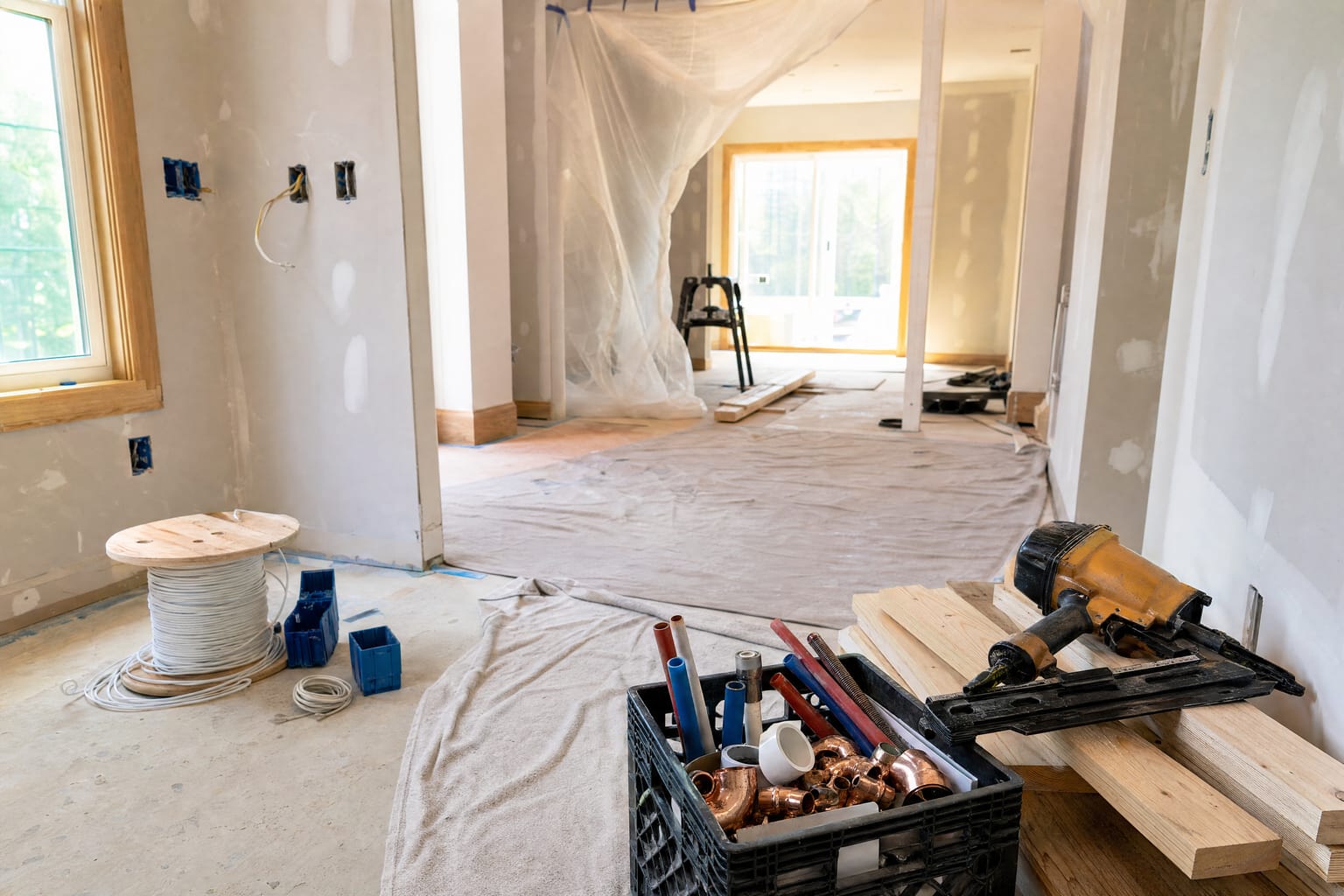
Most significant construction work requires permits. A GC knows what's required in your area, handles the applications, and schedules the inspections that follow. This matters more than people realize — unpermitted work can create real problems when you sell your home or file an insurance claim.
In Pennsylvania, permit requirements vary by municipality, so working with a contractor who knows the local rules — like those in the Lehigh Valley — saves you from headaches down the road.
Managing the Schedule
A construction project involves a lot of moving pieces that have to happen in the right order. Framing before drywall. Rough electrical before insulation. Concrete cured before you build on top of it. A GC keeps all of that properly sequenced and adjusts when something — a delayed material delivery, a weather day, a subcontractor conflict — throws things off.
Without someone managing that sequence, projects stall, costs spike, and you end up with a half-finished kitchen for three months longer than expected.
Sourcing Materials
GCs often handle material procurement, either directly or by coordinating with suppliers. They know what materials are appropriate for your project, where to source them, and how to factor lead times into the schedule. Some have trade accounts that offer better pricing than you'd find at retail.
Budget Management
A GC tracks costs throughout the project and keeps you informed. They flag when something is trending over budget and present options. They also handle payments to subcontractors and suppliers — which means you're not writing dozens of individual checks to people you've never met.
Quality Control
The GC is ultimately responsible for the finished product. That means reviewing work as it's completed, catching issues before they become expensive problems, and making sure the final result meets both code requirements and your expectations.
General Contractor vs. Subcontractor: What's the Difference?
This trips people up. Here's the simple version:
| General Contractor | Subcontractor | |
|---|---|---|
| Who hires them | You (the homeowner) | The general contractor |
| What they manage | The whole project | Their specific trade |
| Who they answer to | You | The GC |
| Examples | Conrad General Contracting | Electrician, plumber, framer |
A subcontractor is a specialist. They're excellent at one thing — HVAC, tile work, concrete — but they're not there to manage the overall project. The GC is the one making sure all those specialists work together toward the same outcome.
Some homeowners try to act as their own GC — hiring subs directly to save money. For very small, simple projects, it can work. For anything involving multiple trades, permits, or significant structural work, it usually costs more in the long run. Coordinating skilled tradespeople is a full-time job, and mistakes made in the wrong sequence are expensive to fix.
When Should You Hire a General Contractor?
Not every home project needs a GC. Repainting a room or replacing a faucet? You probably don't need one. But here's when it makes sense to bring one in:
Your Project Involves Multiple Trades
If your renovation touches electrical, plumbing, and structural work — like most kitchen or bathroom remodels do — you need someone coordinating those trades. That's exactly what a GC does.
You're Doing a Custom Build
Building a home from scratch is not a DIY coordination project. A GC manages the entire custom home building process from site prep through final walkthrough, keeping hundreds of decisions and dozens of people aligned over months.
You Need Permits
If your project requires permits — which most additions, structural changes, and significant renovations do — working with a licensed GC is the cleanest path. They know the process and take on the responsibility.
You Don't Have Time to Manage It Yourself
Even if you technically could coordinate a project yourself, do you have the bandwidth? A GC lets you stay focused on your job and your life while someone whose entire job is managing this kind of work handles it for you.
The Scope Is Larger Than You Expected
Projects have a way of growing. A bathroom remodel reveals outdated plumbing. A kitchen renovation uncovers a structural issue. A GC knows how to handle those surprises without the whole project falling apart.
What to Expect When You Hire One
Here's a rough picture of how the process typically works:
1. Initial Consultation and Site Visit
You describe what you want. The GC walks the space, asks questions, and starts forming a picture of what the project actually involves. This is usually free and comes with no obligation.
2. Proposal and Estimate
The GC puts together a written proposal outlining the scope of work, timeline, and cost estimate. Read it carefully. A good proposal is specific — it tells you what's included and what's not.
3. Contract Signing
Before work starts, you sign a contract. This protects both parties. It should cover the scope, payment schedule, timeline, and what happens if something changes mid-project.
4. Pre-Construction Planning
Permits get pulled. Materials get ordered. Subcontractors get scheduled. This phase can take a few weeks depending on the complexity of the project and local permit timelines.
5. Construction
Work begins. Your GC is on-site regularly, managing the day-to-day. You should have a clear point of contact for questions and updates — you shouldn't be left wondering what's happening.
6. Inspections
As work progresses, inspections happen at key milestones. The GC coordinates these with the local building department.
7. Punch List and Final Walkthrough
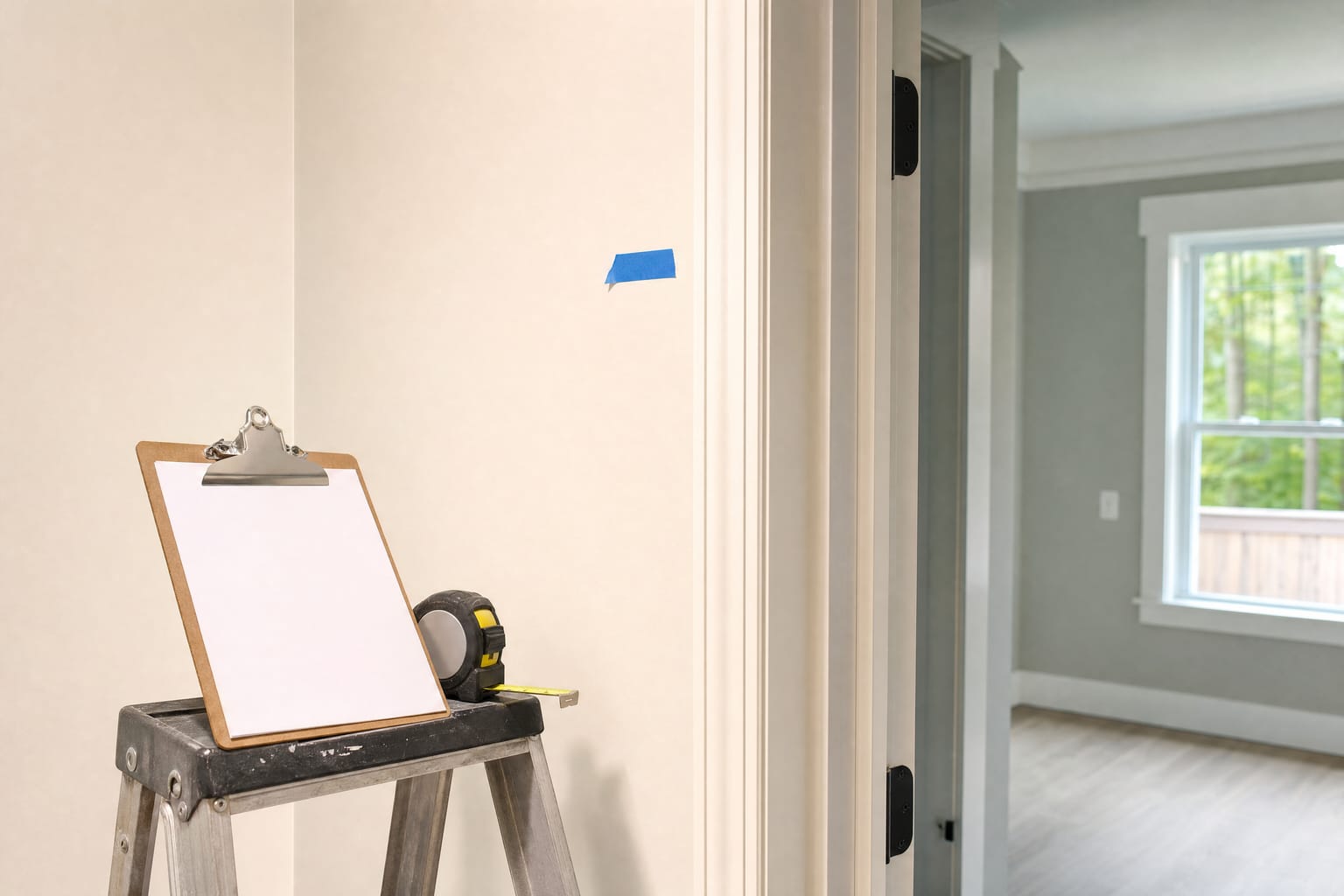
Near the end of the project, you and the GC walk through together and identify anything that needs to be touched up or corrected. Once the punch list is complete, the project closes out.
What Makes a Good General Contractor?
Not all GCs are the same. Here's what separates a reliable one from a frustrating one:
Clear communication. You should never feel like you're chasing your contractor for updates. A good GC keeps you informed without you having to ask.
Proper licensing and insurance. In Pennsylvania, general contractors should carry general liability insurance and, if they have employees, workers' compensation. Ask for proof before signing anything.
A track record you can verify. Ask for references. Look at past projects. A contractor who's been operating for years in your area has a reputation — find out what it is.
Honest estimating. Be cautious of bids that are dramatically lower than others. That usually means something is being left out, or the contractor plans to make it up in change orders later.
Experience with your type of project. A contractor who specializes in commercial buildouts may not be the best fit for a custom home build. Make sure their background aligns with what you actually need.
What Can a General Contractor Build or Renovate?
The scope varies by contractor, but a full-service GC typically handles:
- Custom home construction — building from the ground up on your lot
- Kitchen and bathroom remodels — the most common residential renovation projects
- Additions and expansions — adding square footage to an existing home
- Basement finishing — converting unfinished space into livable area
- Office and commercial buildouts — fitting out commercial spaces for businesses
- Exterior work — concrete driveways, patios, walkways, and similar projects
- Structural repairs and renovations — addressing foundation issues, load-bearing walls, and other structural concerns
Conrad General Contracting, based in the Lehigh Valley area of Pennsylvania, handles all of the above — from custom home builds and kitchen remodels to commercial office buildouts and concrete work. In business since 2014, we offer a free quote process and financing options for homeowners who need flexibility on larger projects.
Questions Homeowners Often Ask
Do I need a GC for a small project?
For single-trade projects under a certain dollar threshold, probably not. But once you're dealing with multiple trades or structural changes, a GC earns their fee.
How does a GC get paid?
Most use a combination of a deposit upfront, progress payments tied to project milestones, and a final payment at completion. Be cautious of any contractor who asks for a large percentage of the total cost before work begins.
What if something goes wrong?
A reputable GC stands behind their work. Ask about warranties before you sign, and make sure everything is in writing — verbal agreements don't hold up when there's a dispute.
Can a GC help me figure out what I want?
Yes. A good GC can help you think through options, understand trade-offs, and make decisions that fit your budget and goals. You don't need to have every detail figured out before your first conversation.
The Bottom Line
A general contractor takes your project from idea to reality — managing the people, the schedule, the permits, and the quality so you don't have to. For any project of real scope, they're not an added cost. They're what makes the project actually work.
If you're planning a construction or renovation project in the Lehigh Valley area and want to understand what's involved, the best first step is a conversation.
Ready to talk through your project? Contact Conrad General Contracting at (610) 801-0000 to request your free quote.
Tags:Construction Tips