
- By Garet Conrad
- May 22, 2026
- Construction Tips
General Contractor vs. Handyman: Which One Do You Actually Need?
The $10,000 Mistake Most Homeowners Make
You're staring at your kitchen, dreaming of granite countertops and custom cabinets. Your neighbor just hired a handyman for half the price of the general contractor quote sitting on your counter. Seems like a no-brainer, right?
Not quite. Choosing the wrong professional for the job can turn a dream renovation into a drawn-out, expensive mess — and the line between "this is fine" and "this is a problem" isn't always obvious until you're already in it.
The confusion is understandable. Both professionals show up ready to work, both can handle tools, and both will tell you they can get the job done. But once you look past the surface, the differences matter — they affect how your project runs, how long it takes, and what you end up spending.
What Exactly Is a General Contractor?
A general contractor is a licensed professional who takes full ownership of a construction project from start to finish. That means pulling permits, coordinating subcontractors, scheduling inspections, and making sure the work holds up to code — not just aesthetically, but legally.
Think of them as the conductor of a construction crew — they may not personally do every piece of work, but they make sure the right people are on-site at the right time and that everything comes together the way it should.
General contractors typically handle:
- Full home renovations and additions
- Kitchen and bathroom remodels
- New construction
- Major structural work
- Commercial buildouts
- Projects requiring multiple permits
They carry comprehensive insurance, hold state licenses, and usually warranty their work. And critically, they assume liability for the project — so if something goes wrong, you're not the one left holding the legal and financial fallout.
Understanding the Handyman's Role
A handyman specializes in smaller repairs and maintenance. They're versatile, convenient, and honestly the right call for a lot of common home tasks.
Handymen are well-suited for:
- Minor repairs and touch-ups
- Fixture installations
- Basic plumbing and electrical work
- Painting and drywall patching
- Furniture assembly
- Routine maintenance
Most work alone or with a helper. They typically don't carry the same level of insurance or licensing as a general contractor, which keeps their rates lower — but also means less protection on your end if something goes sideways.
The Differences That Actually Matter
Licensing and Legal Protection
In many states, general contractors must pass licensing exams and demonstrate experience to work legally. Pennsylvania handles it differently: home improvement contractors doing more than $5,000 of work per year must register with the Attorney General under the Home Improvement Consumer Protection Act, carry insurance, and follow the state's written-contract rules.
Many handymen skip licensing requirements, especially for smaller jobs. This works fine for basic tasks — until a project gets complicated or something goes wrong.
Insurance Coverage
Licensed general contractors carry comprehensive protection:
- General liability (typically $1–2 million)
- Workers' compensation
- Bonding for larger projects
- Professional liability coverage
This coverage shields you from liability if someone gets injured on your property or work damages your home. Handymen might carry basic liability insurance, but coverage varies dramatically — some work without any protection at all.
Permits and Code Compliance
Major renovations require building permits to confirm the work meets safety codes. General contractors know what's required, handle the applications, and schedule inspections.
Handymen typically avoid permitted work. That can create real problems down the road — especially if you're selling your home and need to prove the work was done to code.
Project Management
General contractors run complex projects like a tight operation — lining up subcontractors, coordinating material deliveries, and keeping everything moving in the right order. They know the electrician has to wrap up before the drywall crew comes in, and they're watching for those kinds of conflicts before they turn into costly delays.
Handymen are at their best on focused, standalone tasks where they can come in, get it done, and move on without needing to loop in anyone else.
When a Handyman Makes Sense
For the right jobs, a handyman is the smart, efficient choice:
Small, standalone projects under $1,000
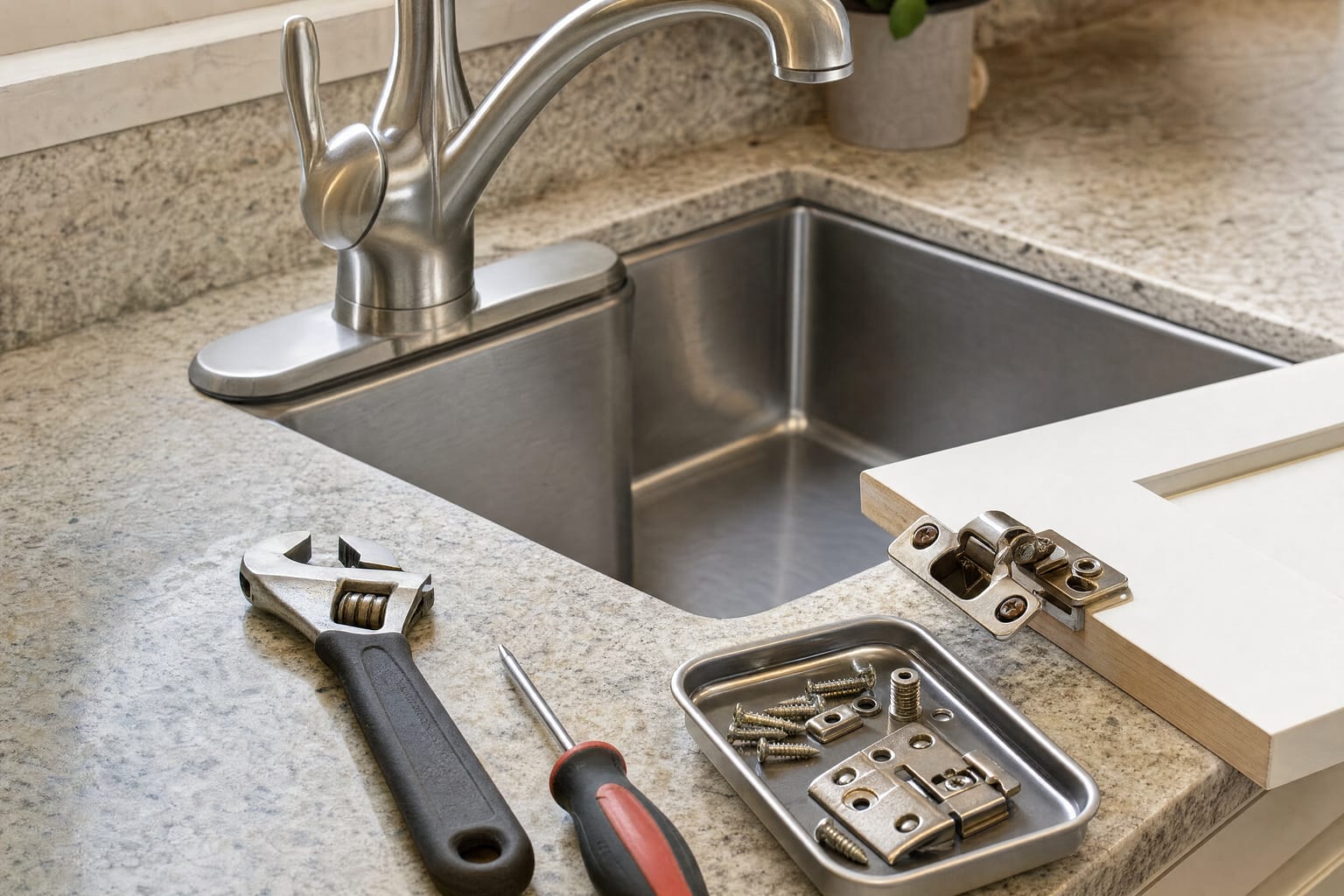
- Fixing a leaky faucet
- Patching drywall
- Installing shelving or light fixtures
- Touch-up painting
Maintenance and quick repairs
- Caulking windows
- Replacing cabinet hardware
- Minor deck repairs
- Gutter cleaning
Projects with flexible timelines
Handymen often juggle multiple small jobs, so availability can vary — but for non-urgent work, that's usually fine.
Simple fixes where cost matters most
For basic maintenance tasks, the savings make sense — you're not paying for overhead you don't need.
When You Need a General Contractor
Some projects demand more than a handyman can deliver:
Work requiring permits
- Kitchen renovations
- Bathroom remodels
- Room additions
- Structural modifications
- Electrical panel upgrades
Projects needing multiple specialists
When your renovation requires plumbers, electricians, and other trades working in sequence, someone needs to manage the entire process — and that's not a role a handyman is set up to fill.
Major investments
Once you're putting $5,000–$10,000 or more into a project, professional oversight stops being a luxury and starts being a safeguard.
Time-sensitive projects
General contractors can bring in full crews and commit to real deadlines — not ballpark estimates that shift week to week.
Insurance or warranty requirements
Some policies and home warranties specifically require licensed contractor work.
The Hidden Cost of Choosing Wrong
The Handyman Spiral
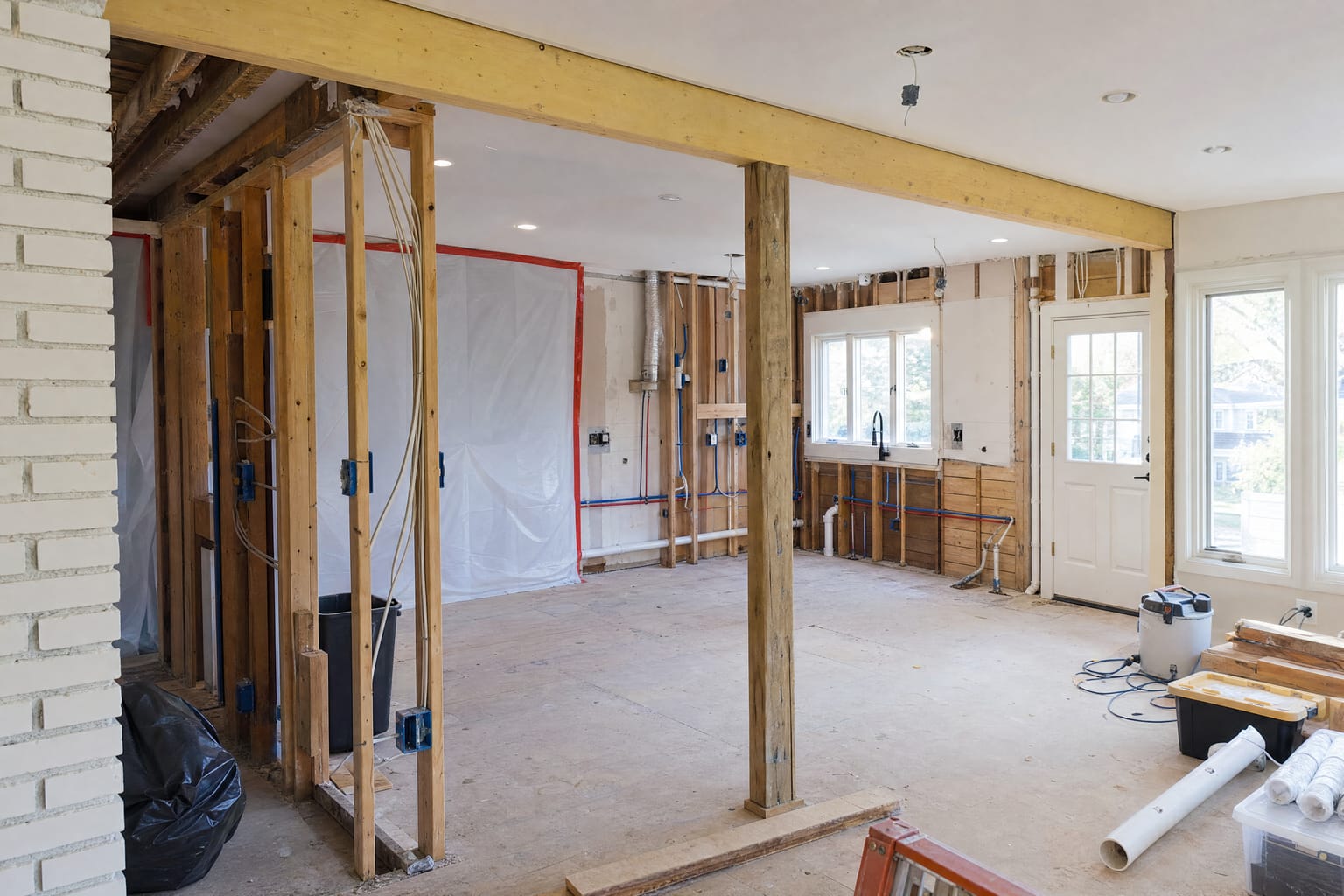
A homeowner hires a handyman for what seems like a simple kitchen update. Three months later, the project has expanded to include electrical work, plumbing changes, and permit issues the handyman wasn't equipped to handle. He disappears. The homeowner is left with code violations, unfinished work, and no recourse — and ends up hiring a general contractor to fix the mess and finish the job. Final cost: 40% more than the original contractor quote would have been.
The Overkill Scenario
That said, calling in a general contractor to hang pictures or fix a squeaky door doesn't make sense either. Minimum project requirements and overhead mean that a job a handyman would knock out for $100 might run $500 through a GC. The goal isn't always to hire the most credentialed person available — it's to hire the right person for what you actually need.
How to Choose
Project Scope
- Simple task, single trade → Handyman
- Complex project, multiple trades → General contractor
- Structural or system changes → General contractor
- Cosmetic updates only → Either could work
Risk Tolerance
- High-value home → General contractor for major work
- Rental property → Handyman for basic maintenance
- Insurance concerns → General contractor
- DIY backup plan → Handyman is acceptable
Timeline
- Flexible schedule → Handyman works
- Hard deadline → General contractor
- Coordination required → General contractor
- Quick fix → Handyman
Questions to Ask Before You Hire
For General Contractors:
- What's your license number?
- Can I see your insurance certificates?
- How do you handle changes during the project?
- What's included in your warranty?
- Can you connect me with recent clients?
For Handymen:
- Do you have liability insurance?
- Have you done work like this before?
- Can you provide references?
- What happens if the scope grows once you're into it?
- Will you be available to see the job through to the end?
How Conrad General Contracting Approaches This
At Conrad General Contracting, we've seen both scenarios play out more times than we can count. Homeowners who match the right professional to their project get smooth renovations and results they're proud of. Those who don't often end up calling us to untangle problems that were avoidable from the start.
The projects we take on are ones where getting it right actually matters — custom home builds, complete renovations, kitchen remodels, and commercial buildouts throughout the Lehigh Valley. Our PA-registered team manages everything from pulling the first permit to passing the final inspection, and we hold ourselves to Pennsylvania's building codes at every step.
We'll also tell you honestly when a handyman is the better fit for what you're describing. But when a project involves structural changes, multiple trades, or a real financial stake, having a licensed general contractor in your corner tends to make a measurable difference — in the quality of the work, the reliability of the schedule, and your ability to sleep at night.
Your Next Step
Three questions usually point you in the right direction: How involved is this project? Do you have a firm deadline? And how much risk are you willing to absorb if something doesn't go as planned? For anything involving permits, structural work, or a budget that makes you nervous, a licensed general contractor is the safer bet — and usually the cheaper one once you factor in what can go wrong without proper oversight.
Ready to talk through your project? Contact Conrad General Contracting at (610) 801-0000 for a straight answer about what your project actually needs.
Tags:Construction Tips